Lowering Poles Compared: What Engineers and Specifiers Need to Know
Key design factors engineers should consider when selecting a lowering pole
Not all lowering poles are structurally compliant and in the field, the differences are clear. Lowering poles are often specified to reduce working at height risk, but not all lowering poles are structurally compliant and perform the same.
Key design differences in joint engineering, load control and locking mechanisms directly affect safety, structural compliance and long-term reliability for both specifying a lowering pole for a new installation, or retrofitting an existing rigid pole to a lowering pole, particularly in high corrosive, high wind or industrial environments.
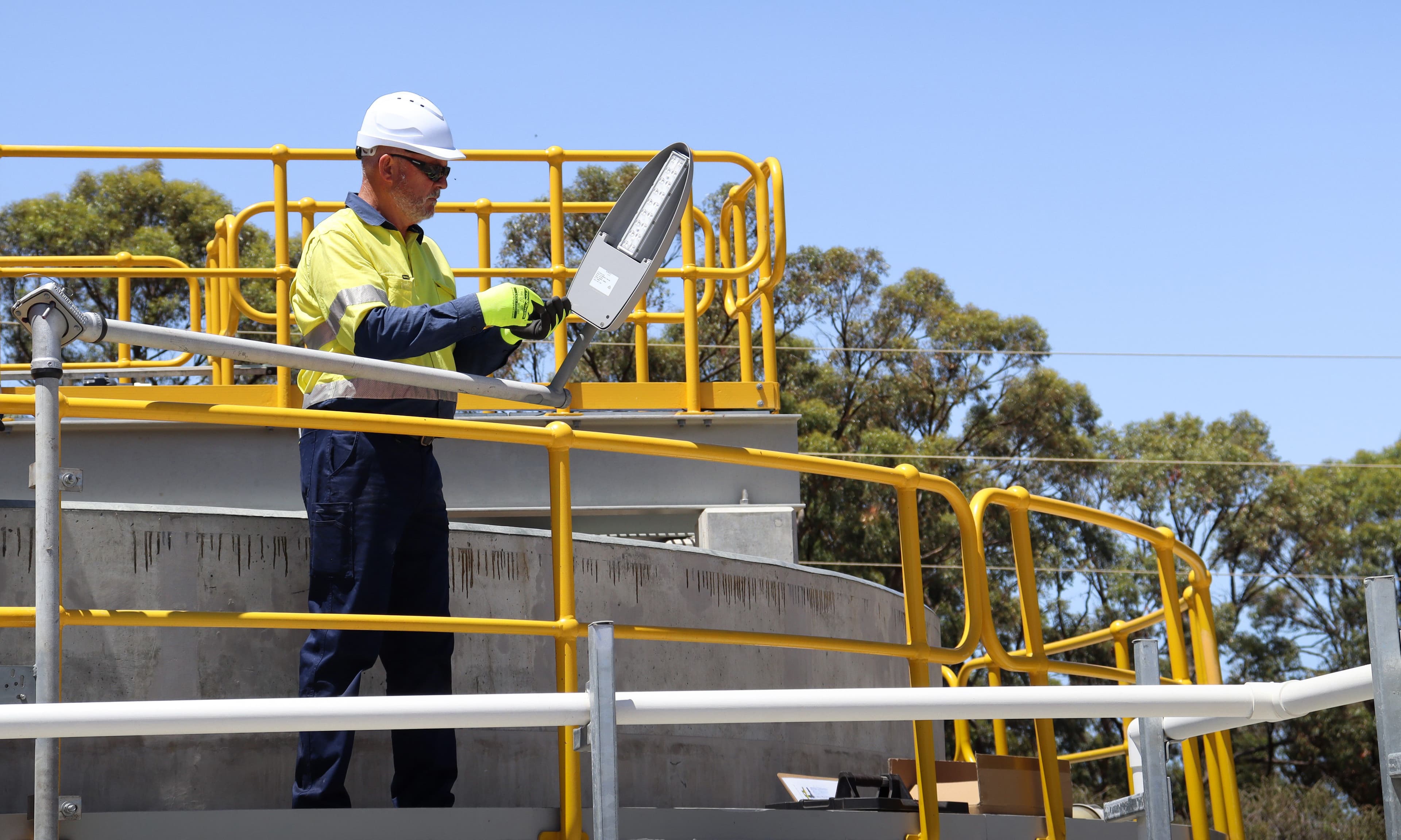
For engineers, specifiers and asset owners, understanding where designs differ is the foundation of a sound selection decision. A lowering pole is safety-critical structural infrastructure and must perform correctly every single time it is operated.
Below are key design points to consider when choosing a lowering pole solution.
- What Is a Lowering Pole?
- How the Pole Controls Movement During Lowering
- Locking Mechanisms and Positive Engagement
- Load Management and Structural Performance
- Ease of Operation in Real Maintenance Scenarios
- Materials, Finishes and Environmental Durability
- Looking Beyond Upfront Cost
- A Practical Approach to Selection
What Is a Lowering Pole?
A lowering pole is a structural pole system engineered to lower mounted equipment - such as lighting, CCTV cameras, instruments or communications gear to a safe working height for access or maintenance.
Unlike fixed rigid poles that require elevated work platforms (EWPs), scaffolding, ladders or fall arrest systems, a lowering pole allows maintenance to be carried out safely at ground or walkway/platform level.
How the Pole Controls Movement During Lowering
How a lowering pole controls movement is one of several critical design factors, alongside materials, locking reliability and load management, that together determine whether a system performs safely over its full service life.
Lowering a pole should be a controlled, predictable mechanical action, not one that depends on operator strength or judgement.
A well-designed lowering pole should:
- Lower smoothly and consistently
- Keep the load stable throughout the full range of movement
- Eliminate reliance on operator strength to control descent speed
- Enable maintenance at walkway or ground level - including offshore platforms or confined sites
Poor-quality lowering poles, swing down poles and mid-hinged pole alternatives often rely on manual effort to manage descent, introducing risk, particularly at height or in windy conditions.
Locking Mechanisms and Positive Engagement
Locking performance is one of the most critical - and most variable - differences across lowering pole designs.
Some lowering pole systems use spring-loaded release mechanisms that can be triggered inadvertently, causing the pole to lower without warning. These designs can also mean the pole is not fully locked/engaged when in the upright position and therefore the joint mechanisms is vulnerable to wear, debris and corrosion.
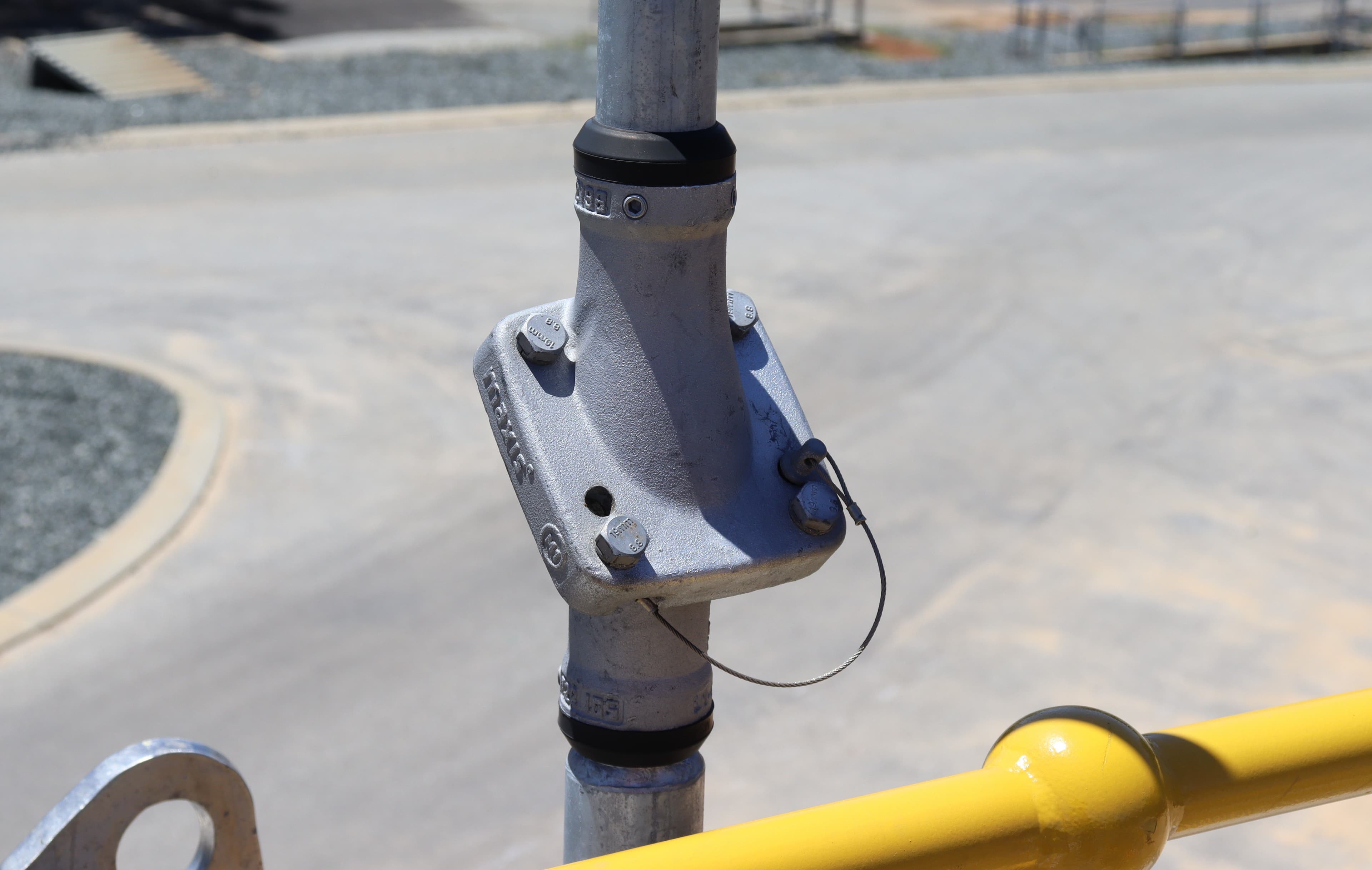
Swivelpole™ systems use retained fasteners as part of a positive mechanical locking arrangement, engineered to comply with relevant Australian Standards and are structurally compliant.
For any lowering pole to be structurally compliant, the locking mechanism must:
- Engage securely and lock fully every time the pole is raised (no movement in the joint when in the upright position)
- Maintain tight alignment under operational and environmental loads - including wind and vibration
Load Management and Structural Performance
A lowering pole must manage multiple load conditions simultaneously: dynamic loads during operation, and static environmental forces including wind pressure, vibration and thermal cycling.
Design approaches differ significantly in how these loads are documented and verified. Some lowering pole alternatives (mid-hinged poles, swing down poles, lowering poles with spring-loaded release mechanisms) may incorporate assumptions within their design approach, while others are supported by independent engineering assessment.
When comparing lowering pole solutions, evaluate:
- How loads are transferred through the joint under both the lowered/operational and upright positions
- Material grades in load-bearing components (carbon steel, stainless steel or aluminium)
- Whether independent engineering assessment and third-party certification is available
Any movement at the joint introduces fatigue loading and over time, the risk of catastrophic failure. Swivelpole’s retained fastener design is engineered to eliminate this.
Ease of Operation in Real Maintenance Scenarios
Lowering poles are operated repeatedly over many years - often by rotating electricians and maintenance crews and under varying site conditions, from a controlled industrial facility to an exposed offshore installation during adverse weather.
Lowering pole designs that support clear, repeatable workflows minimise maintenance time and lower the risk of incorrect re-engagement after a maintenance task. The Swivelpole™ operating sequence is intentional and disciplined: the pole can only be lowered once an operator has deliberately prepared - reducing accidental activation risk common with other lowering pole alternatives (such as mid-hinged poles, swing down poles and lowering poles with spring-loaded release mechanisms).
For asset owners, operational consistency across the full maintenance lifecycle directly influences both safety performance and total maintenance cost.
Materials, Finishes and Environmental Durability
Material quality and surface finish are lifecycle decisions - they determine cost and reliability, not just initial specification.
Carbon steel, stainless steel and aluminium each behave differently under exposure to moisture, salt spray, chemicals and temperature variation. For a lowering pole in a coastal, mining or chemical processing environment, material selection must be matched to the site. Swivelpole™ products are available in hot-dip galvanised (HG), 316 stainless steel (SS) and aluminium (AL) configurations – suitable for general infrastructure through to corrosive locations.
Casting quality, weld integrity, surface finish and protective coatings determine how a lowering pole holds up over decades of service and for assets expected to operate for 25+ years, that directly affects total cost of ownership.
Looking Beyond Upfront Cost
Initial purchase price is the easiest number to compare but products that are built to last the operational lifecycle are the true indicator of quality and savings.
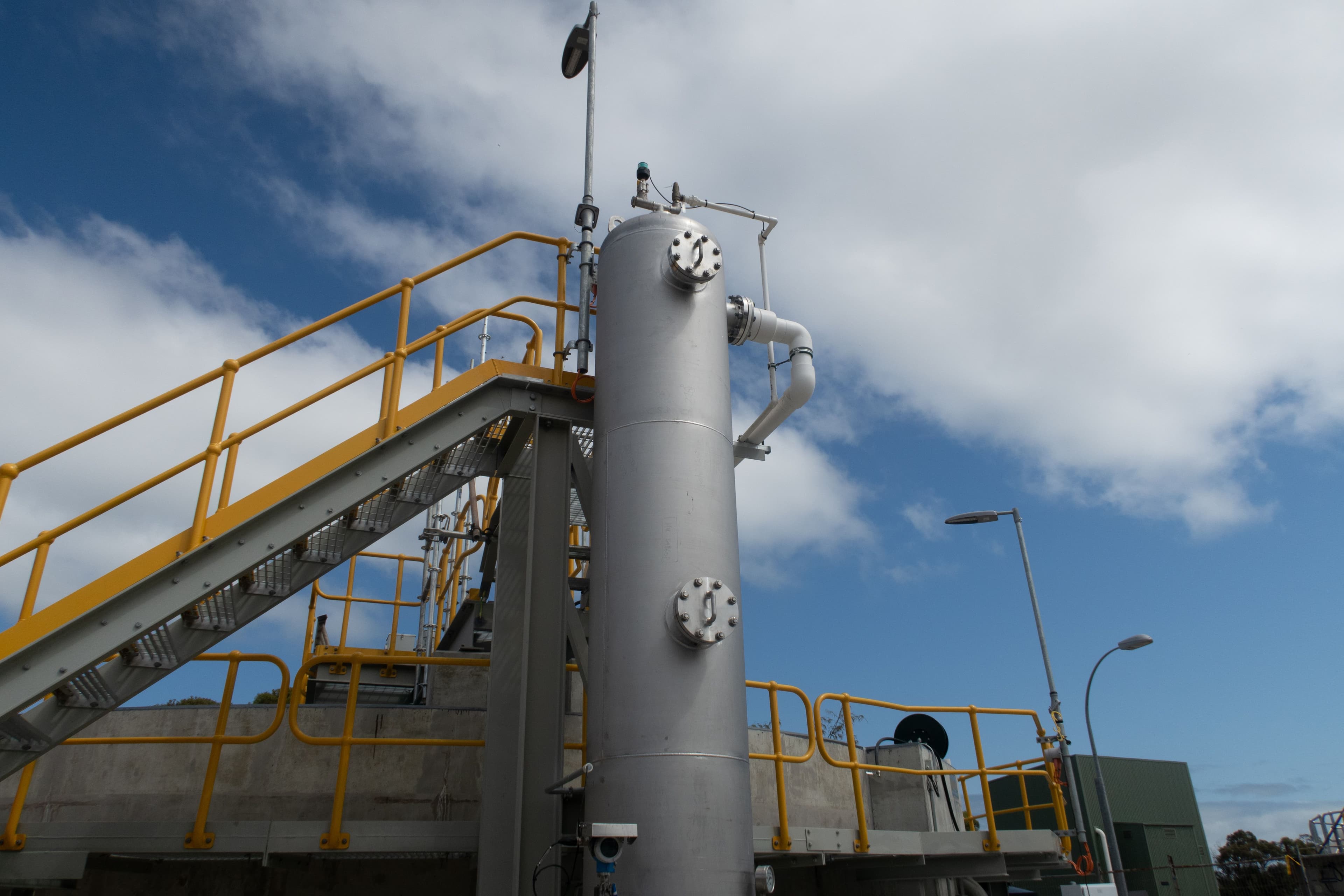
The real financial case for a quality lowering pole is the dramatic reduction in ongoing maintenance costs. By eliminating the need for elevated work platforms, fall arrest equipment, crew time and compliance overheads, a well-designed lowering swivel pole can reduce per-cycle maintenance costs from tens of thousands to a fraction of that figure. This is why asset owners across mining, oil and gas, water treatment and utilities are specifying lowering poles as standard - not optional.
Long-term value should be assessed against:
- Safety performance consistency across operation cycles
- Quality of product materials and warranty
- Durability of all load-bearing and moving components
- Maintenance frequency, crew requirements and downtime risk
A Practical Approach to Selection
A lowering pole is often specified around the fixture it carries — lighting, cameras, aerials, etc. The pole and the lowering mechanism is where the structural and safety decisions live. Joint design, lowering arc control, locking reliability and material grade are where compliant designs begin to differentiate.
A robust selection process goes beyond fixture compatibility and basic load specifications — assessing not just what a pole carries, but how it is engineered to carry it safely over decades. Competitor alternatives such as mid-hinged poles, swing down poles and lowering poles with spring-loaded release mechanisms must satisfy Australian Standards but can vary in quality, corrosion performance, locking consistency and available engineering certification.
By understanding where lowering pole designs fall short, specifiers and asset owners can make more informed decisions that support safer maintenance outcomes and stronger asset lifecycle returns.
Ready to specify the right lowering pole for your project?
Explore the full Swivelpole™ product range including greenfield solutions for new build projects requiring complete pole installations and brownfield solutions for retrofit, upgrading, and conversion of existing poles or contact the team to discuss your application.